

lynton IPL Skin Rejuvenation Hampshire
Restore your skin’s natural clarity, confidence and radiance with non-invasive, expert-led IPL skin rejuvenation in Hampshire.
At Hannah Tress Advanced Skincare, I use the award-winning Lynton Excelight system to help reduce redness, pigmentation and visible signs of ageing. Whether you’re concerned about sun spots, rosacea, uneven skin tone or dullness, IPL (Intense Pulsed Light) technology offers a powerful yet gentle way to revive your skin’s glow—without downtime.
Jump to:
Vascular Lesions |
Pigmented Lesions |
Acne
Treating Facial Thread Veins with IPL
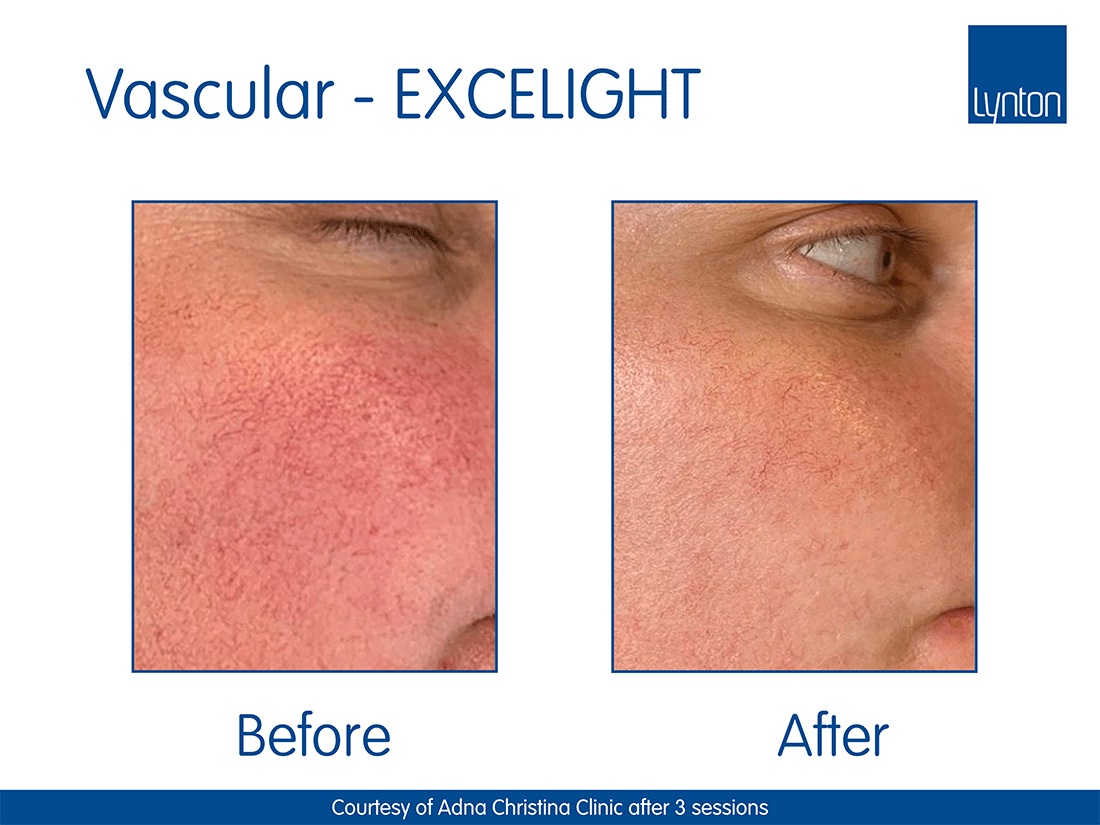
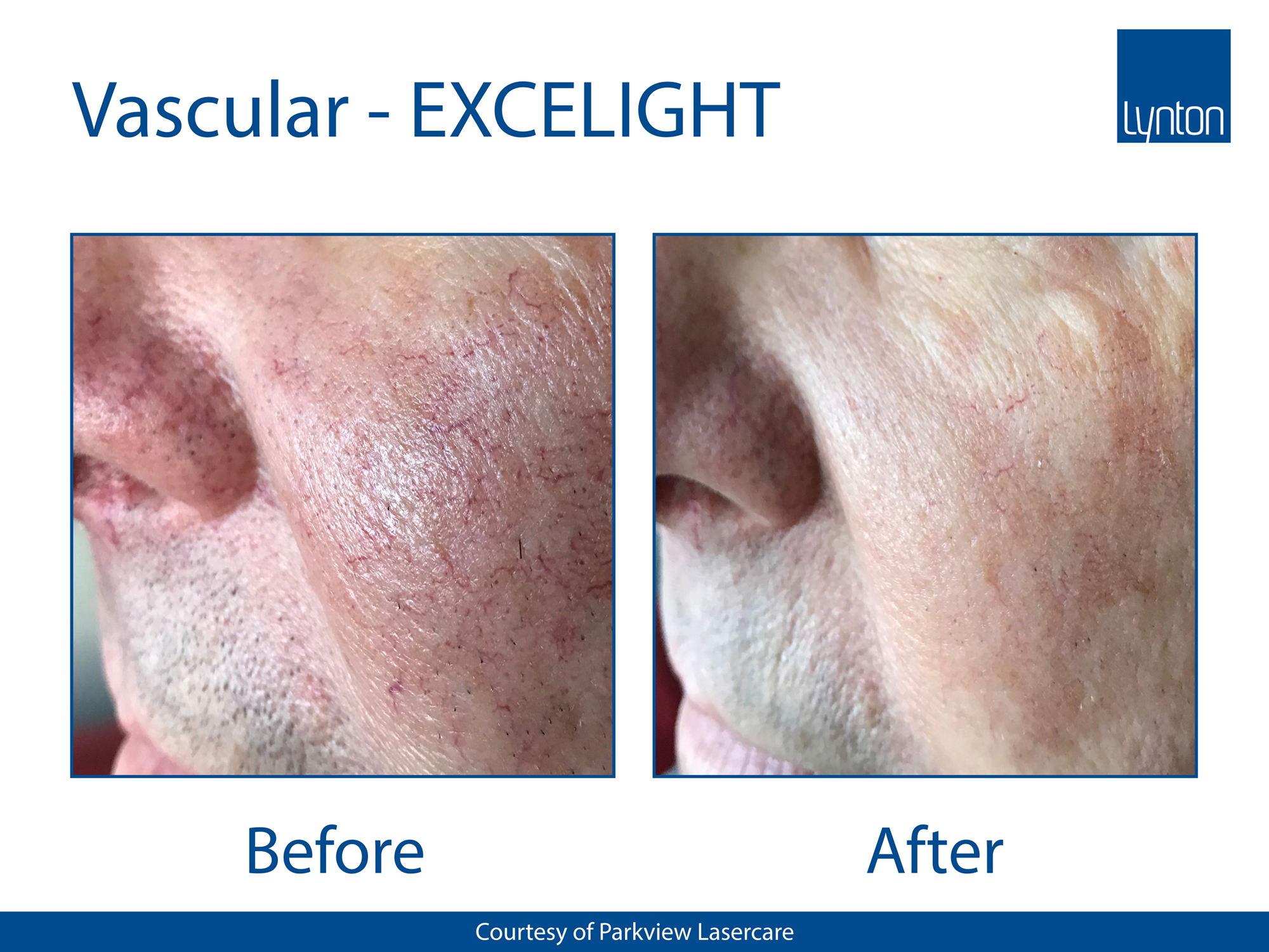
Facial thread veins — also known as broken red veins or telangiectasia — are small, visible red, purple or blue veins that often appear around the nose, cheeks, and chin. They occur when superficial blood vessels dilate and become more prominent beneath the skin’s surface, leading to a flushed or blotchy appearance.
Although common, facial veins can cause distress or embarrassment for many people.
These veins may be hereditary or triggered by factors such as sun damage, wind exposure, extreme temperatures, or the overuse of steroid creams. Autoimmune conditions and skin disorders like rosacea can also contribute. In some cases, the cause is unknown and simply part of the natural ageing process.
IPL (Intense Pulsed Light) offers a safe, effective solution to visibly reduce facial thread veins. This non-invasive treatment targets the blood vessels, gently heating and dispersing them, with minimal downtime and long-lasting results — often in just a few quick sessions.
- Recommended number of treatments - 1-3
- Usual treatment time 30 minutes
- Treatment price - From £75
What types of skin lesions can IPL treat?
IPL is highly effective for treating superficial vascular and pigmented lesions, including:
Facial thread veins (telangiectasia)
Spider veins and broken capillaries
Sun spots, age spots, and freckles
Redness associated with rosacea
Diffuse facial flushing
Pigmentation caused by sun damage or ageing
How does IPL treat broken capillaries and pigmentation?
IPL uses light energy to target pigment (melanin) or blood vessels beneath the skin. The light is absorbed by the target, which is then naturally broken down and removed by the body’s healing process — without harming surrounding tissue.
Is the treatment painful?
Most clients report only mild discomfort, similar to a warm flick or elastic-band snap. It’s a fast, well-tolerated treatment with no need for anaesthetic.
Are the results permanent?
Results can be long-lasting, especially for broken capillaries and sun spots. However, new lesions can form over time, particularly with sun exposure or ongoing rosacea. Maintenance treatments may be needed depending on your skin and lifestyle.
Are there any risks or side effects?
Side effects are usually mild and temporary. You may notice redness, slight swelling, or darkening of pigmented areas, which flake away as the skin heals. Serious side effects are rare when treatment is performed by a trained professional.
How many treatments will I need?
You’ll likely need a course of 2–4 sessions, spaced 2–4 weeks apart, depending on the size and depth of the lesion. Some clients see visible improvement after a single treatment.
Is IPL safe for all skin types?
IPL is most effective on fair to medium skin tones. A consultation and patch test are essential to assess suitability and ensure safe, effective results for your skin.
Pigmented Lesion Removal in Hampshire
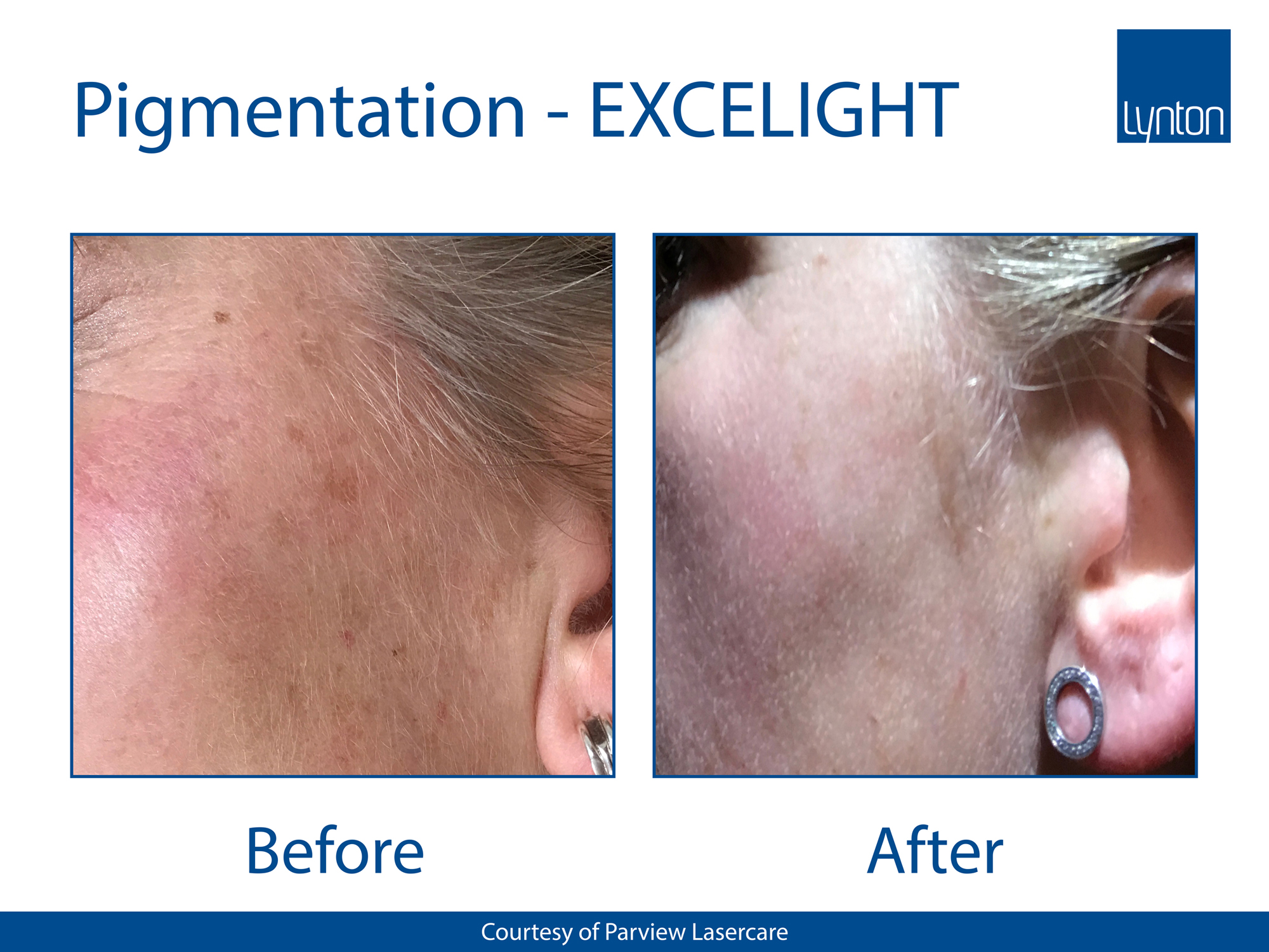
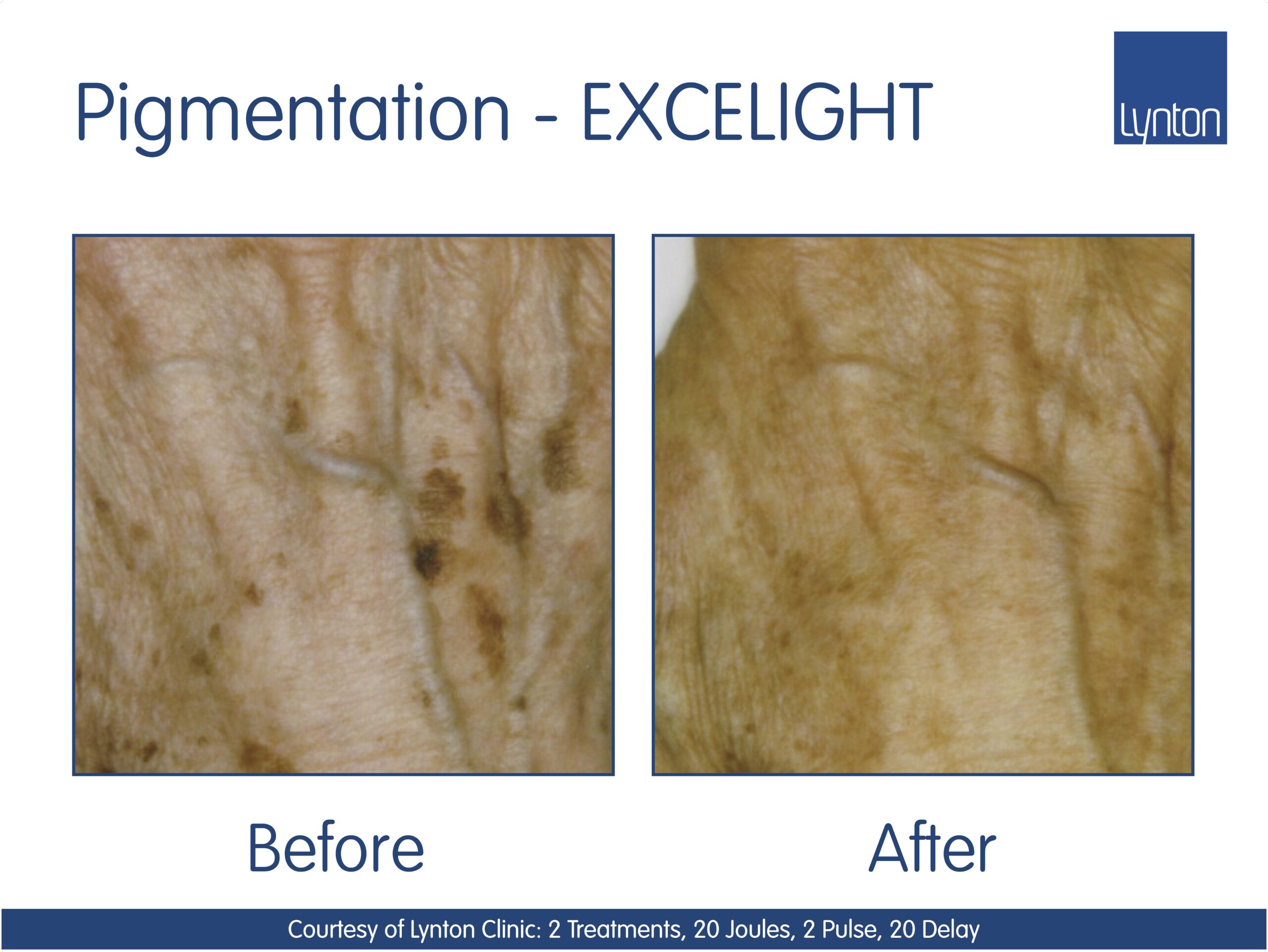
Pigmented lesions — such as age spots, sun spots, liver spots and freckles — can be safely and effectively lightened or removed using our Lynton Excelight IPL (Intense Pulsed Light) system. These non-invasive treatments are suitable for both face and body, helping to restore a brighter, more even skin tone.
These types of pigmentation are often linked to skin ageing and cumulative sun exposure. As the skin’s natural ability to repair UV damage declines from around age 40, discolouration becomes more visible. While most pigmented lesions are harmless, they can create a patchy, uneven look that makes the skin appear older. IPL treatments target these darker areas to visibly reduce pigmentation and improve overall skin clarity.
Not all pigmentation is caused by the sun — some conditions, such as melasma or pigmented birthmarks, may be related to hormones, pregnancy, or genetics. IPL offers a gentle and effective solution for many of these concerns.
Most clients see a visible improvement in as little as 1 to 3 sessions, with minimal downtime and long-lasting results.
- Recommended number of treatments - 1-3
- Usual treatment time 10-30
- Treatment price - From £75
What causes pigmented lesions like age spots and freckles?
Pigmented lesions can develop due to sun exposure, hormonal changes, ageing, or genetics. Common examples include sun spots, liver spots, melasma, and freckles. These marks are caused by an overproduction of melanin, often triggered by UV rays or hormonal fluctuations.
Can IPL help fade pigmentation?
Yes—Intense Pulsed Light (IPL) treatment is highly effective for targeting unwanted pigmentation. It works by delivering pulses of light that are absorbed by the pigmented areas, breaking them down so they can be naturally eliminated by the skin. Most clients notice a clearer, more even skin tone after just a few sessions.
Is pigmentation removal safe for all skin types?
IPL pigmentation removal is most effective on lighter skin tones with darker pigmentation. Clients with melasma or darker skin tones may require an alternative approach. We’ll assess your skin carefully in consultation to determine the best and safest treatment for your needs.
What should I expect after the treatment?
Pigmented areas may temporarily darken and rise to the surface before fading or flaking off. This is a normal part of the healing process. You’ll be advised to avoid sun exposure and use SPF daily to protect your results.
Will the pigmentation come back?
Treated pigmentation won’t return, but new pigmentation can develop over time—especially with sun exposure. That’s why good skincare and sun protection are essential for long-term results.
Who isn’t suitable for IPL pigmentation removal?
This treatment may not be suitable if you are:
Pregnant or breastfeeding
- Suffer from Melasma or Chloasma
Taking photosensitising medication
Affected by active infections or open wounds in the area
Recently tanned or using self-tan
We’ll assess your eligibility during a thorough consultation.
Acne IPL Treatment Hampshire
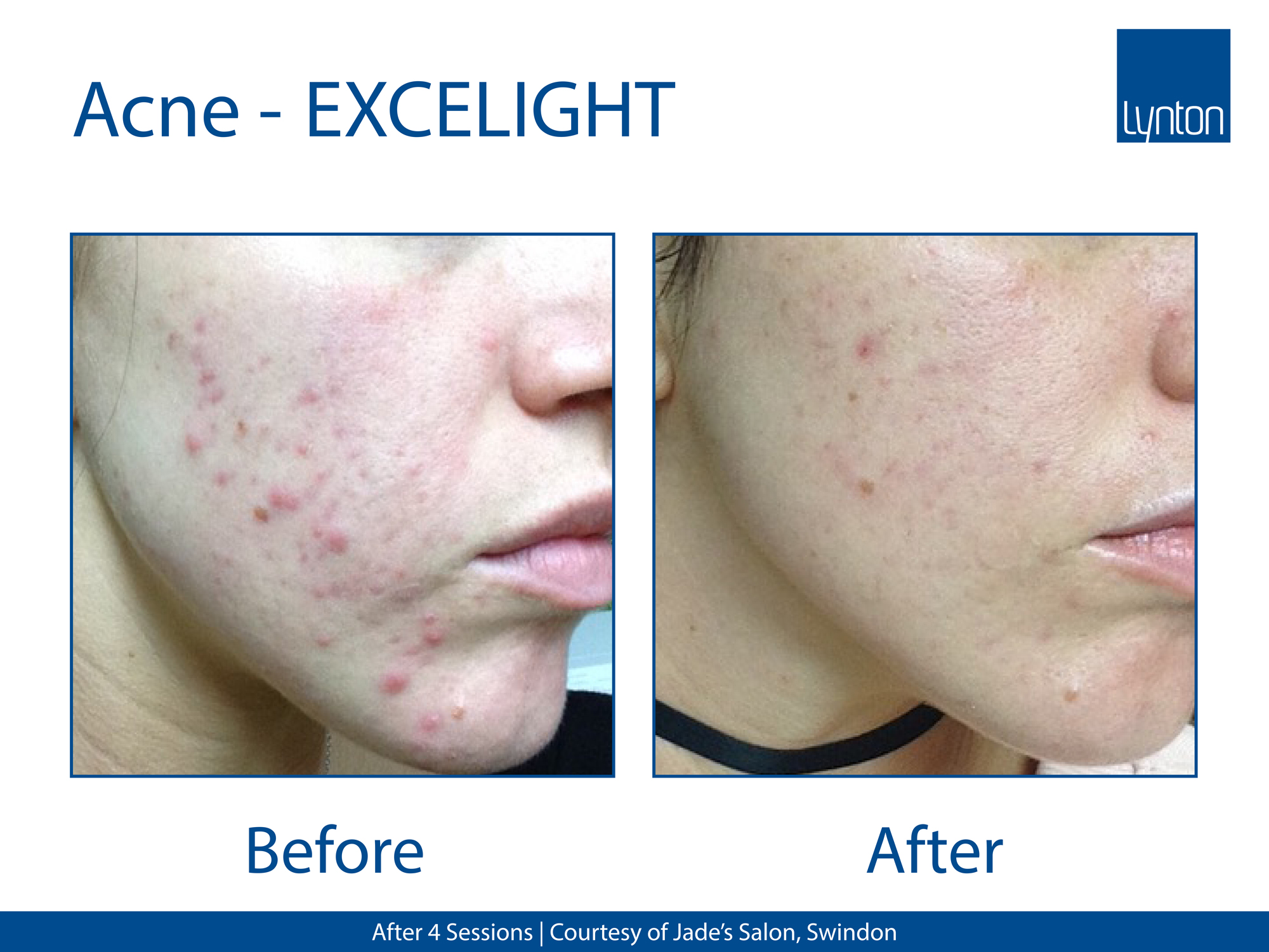
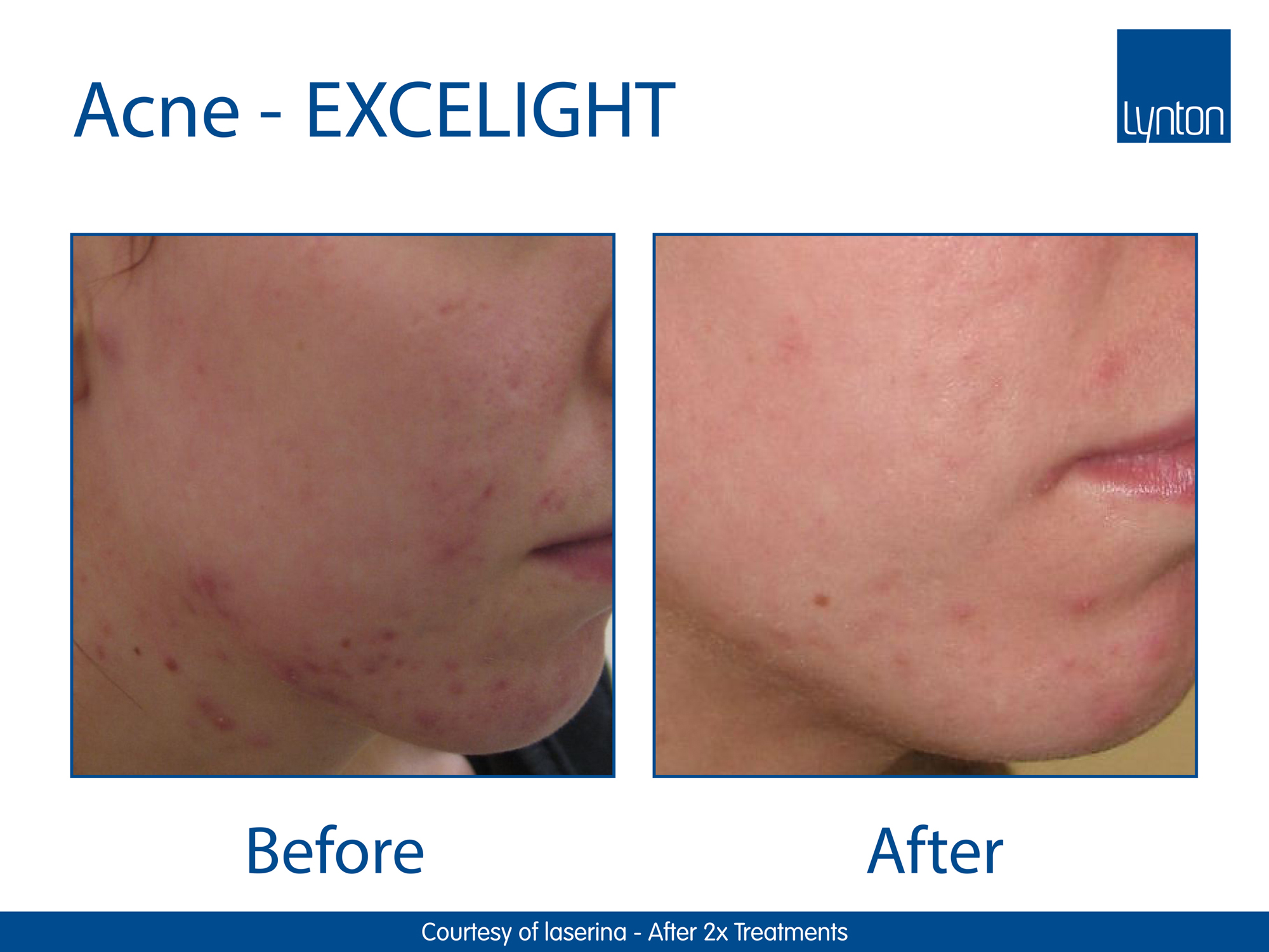
Acne doesn’t have to control how you feel about your skin. If breakouts, inflammation, or persistent blemishes are knocking your confidence, we offer targeted, non-invasive treatments that go deeper than surface solutions.
Using Lynton Excelight IPL, we treat acne at the source—calming inflammation, reducing oil production, and supporting skin repair. Whether used alone or alongside other clinical-grade treatments, this medically-backed technology helps reduce both active breakouts and the red or brown marks left behind.
IPL acne treatments work by delivering intense pulses of light that target overactive sebaceous glands. This not only reduces breakouts and oiliness, but also helps stimulate collagen, improving overall skin tone and texture. You’ll notice clearer, calmer skin with fewer flare-ups and visible improvements in scarring and discolouration over time.
- Recommended number of treatments - Minimum of 3
- Usual treatment time 30-60 minutes
- Treatment price - From £75
Can IPL help with active acne?
Yes. IPL targets the root causes of acne—specifically the overactive oil glands and acne-causing bacteria (P. acnes). Blue light kills bacteria, while red and near-infrared light reduce inflammation, speed healing, and help prevent future breakouts.
Will IPL improve acne scars?
IPL can help reduce redness and discolouration left behind after breakouts, but it’s not the best option for deeper acne scarring. For clients looking to improve skin texture or pitted scars, microneedling is usually a more effective solution. It stimulates collagen at a deeper level to smooth and resurface the skin. Learn more about microneedling here.
Does the treatment hurt?
IPL feels like a mild, warm flick on the skin—slightly tingly, but very tolerable. There’s no need for numbing cream, and the treatment is quick, with minimal to no downtime.
Who is IPL acne treatment suitable for?
It’s best suited for clients with light to medium skin tones experiencing mild to moderate inflammatory acne. We’ll carry out a patch test and consultation to make sure the treatment is safe and effective for your skin.
What should I expect after the treatment?
You may notice mild redness or warmth, similar to a light sunburn. This typically fades within a few hours. We’ll guide you with aftercare, including the importance of SPF to protect your results.
Can I combine IPL with other acne treatments?
Yes—and it’s often more effective that way. At Hannah Tress Advanced Skincare, we take a holistic approach. Your plan may include:
Clinical-grade skincare (HydroPeptide or Skinbetter Science)
Dermalux LED for healing
Lifestyle or supplement support to tackle hormonal, gut or stress-related triggers