
Treatable Skin Conditions
If you’re struggling with worrisome skin conditions in Hampshire like acne, rosacea or pigmentation (also known as sun spots, vitiligo or melasma) and premature ageing, they can be treated, using regenerative medicine, with outstanding results.
Skin Concern: Photo-ageing


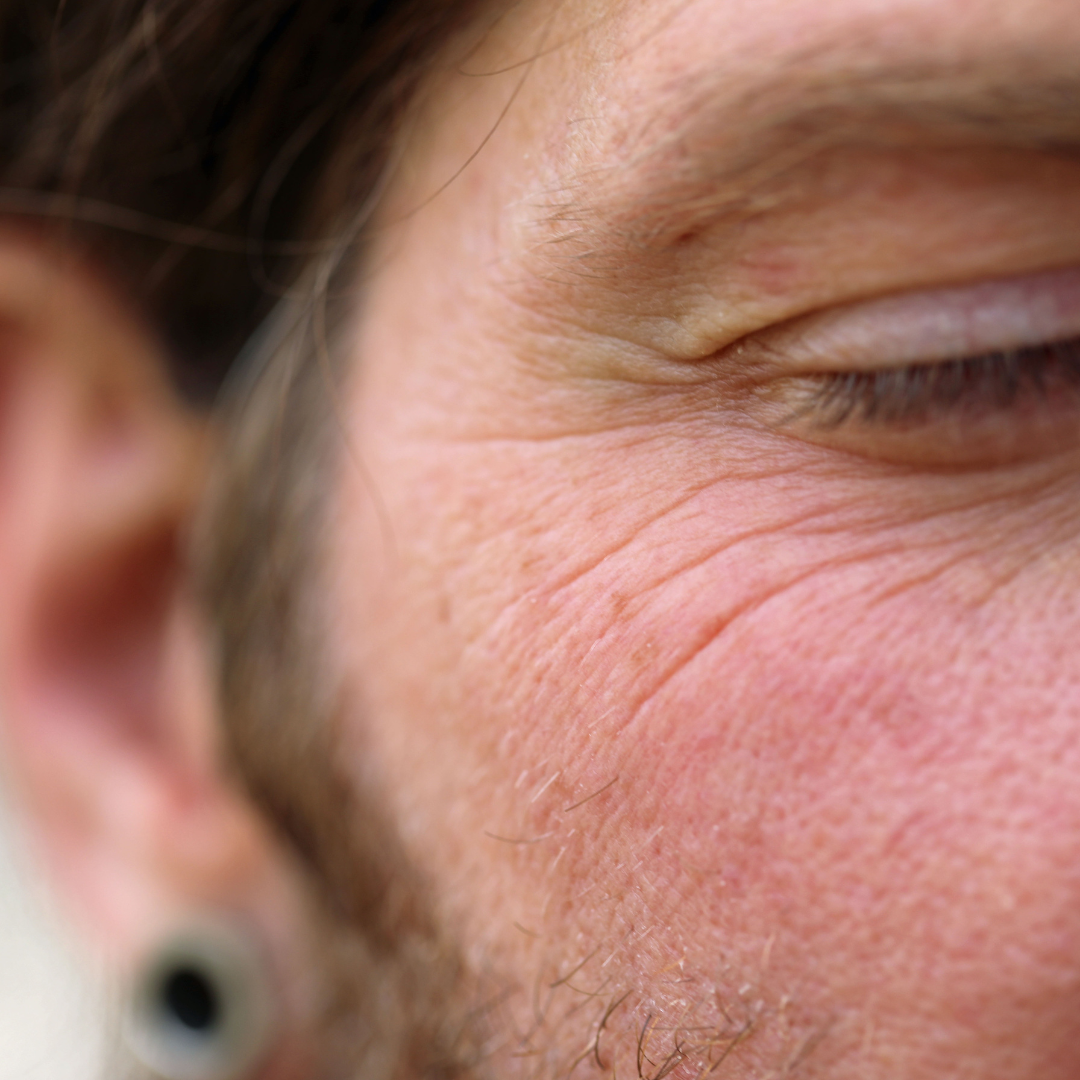
How does it present?
Premature ageing encompasses the premature appearance of signs such as fine lines, wrinkles, loss of skin elasticity, and uneven texture. It results from a combination of intrinsic factors such as genetic predisposition and extrinsic factors including UV exposure, environmental pollution, smoking, and poor skincare habits.
- Dynamic Wrinkles: Caused by repetitive facial movements, dynamic wrinkles appear as fine lines and wrinkles around the eyes (crow’s feet), forehead (worry lines), and mouth (smile lines).
- Static Wrinkles: Resulting from collagen and elastin depletion, static wrinkles are visible at rest and become more pronounced with age.
- Loss of Facial Volume: As fat pads diminish and bone resorption occurs, facial volume decreases, leading to hollowed cheeks, sunken temples, and deep nasolabial folds.
- Skin laxity: Reduced collagen and elastin synthesis, along with decreased hyaluronic acid production, contribute to skin laxity, sagging, and jowls.
- Uneven Skin Texture: Accumulated sun damage, diminished cellular turnover, and decreased dermal collagen result in rough, uneven skin texture and tone.
Our approach
Our anti-ageing protocols aim to restore skin health, enhance collagen production, and minimise visible signs of ageing. Treatment options may include:
- Topical Retinoids: Stimulating collagen synthesis, increasing epidermal turnover, and improving overall skin texture and tone.
- Topical AHA’s (Alpha Hydroxy Acids) help with ageing by exfoliating the skin surface, promoting cell turnover, and stimulating collagen production.
- illumiFacial The Lynton Illumi Facial is an advanced skin rejuvenation treatment designed to improve skin clarity and radiance. Using IPL (Intense Pulsed Light) technology, the Illumi Facial targets pigmentation, redness, and vascular irregularities beneath the skin’s surface. The controlled light pulses stimulate collagen production and encourage cellular renewal, helping to reduce signs of aging and brighten the complexion for a healthier, more youthful glow. This facial combines cleansing, exfoliation, and rejuvenation, offering a comprehensive approach to skin revitalisation.
- Microneedling is the only rejuvenation treatment that maximises penetration of medically approved mesotherapy and maximises the release of growth factors associated with the positive aspects of wound healing.
Skin Condition: Acne

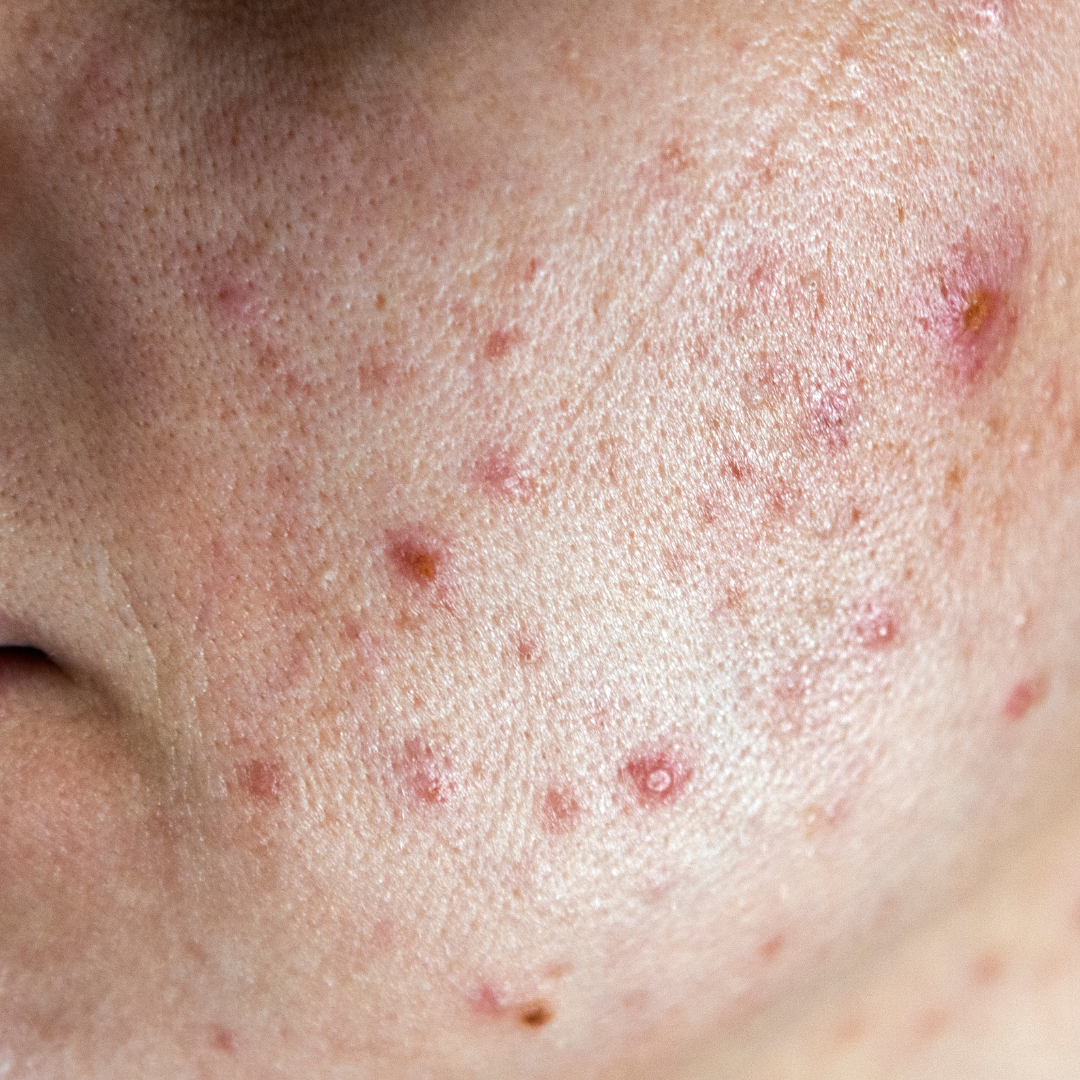


How does it present?
Acne vulgaris is a multifactorial skin disorder involving the pilosebaceous unit, characterised by the formation of comedones, papules, pustules, nodules, and cysts. It arises from a complex interplay of factors including hormonal imbalances, sebum overproduction, abnormal follicular keratinisation, bacterial colonization by Propionibacterium acnes, and inflammation.
- Comedonal Acne: This type of acne presents with open (blackheads) and closed (whiteheads) comedones due to follicular hyperkeratosis and sebum accumulation.
- Inflammatory Acne: Inflammatory lesions such as papules, pustules, and nodules arise from the inflammatory response to P. acnes colonization within the pilosebaceous unit.
- Cystic Acne: Deep-seated, tender nodules or cysts result from extensive inflammation and may lead to scarring and dyspigmentation (Hyper or hypo pigmentation).
- Hormonal Acne: Androgen-driven sebaceous gland activity contributes to the development of acne, particularly in women experiencing hormonal fluctuations during puberty, menstruation, or conditions like polycystic ovary syndrome (PCOS).
Our approach
Our approach to treating acne involves a combination of targeted therapies aimed at addressing the underlying causes and minimizing symptoms. Treatment modalities may include:
- Lynton Excelight IPL Skin Rejuvenation:IPL (Intense Pulsed Light) therapy helps manage acne by delivering controlled light pulses that penetrate the skin, targeting and reducing acne-causing bacteria within the pores. This light energy also decreases inflammation and helps regulate sebum production, while stimulating collagen production to promote clearer and more resilient skin over time.
- DermaluxLED Therapy: Utilising specific wavelengths of light to reduce inflammation, inhibit P. acnes proliferation, and promote wound healing.
- Microneedling: A minimally invasive procedure that induces controlled micro-injuries to stimulate collagen production, improve skin texture, and reduce the appearance of scars. Only suitable when no flare up is taking place.
- pHformula Skin Resurfacing: Employing the Acne or CR complex from pHformula to remove damaged epidermal layers, unclog pores, and stimulate cellular turnover.
Sensitive skin: Redness / rosacea


How does it present?
Rosacea is a chronic inflammatory skin disorder characterised by facial erythema, flushing, telangiectasia, papules, and pustules. While the exact causes of rosacea remain elusive, contributing factors include vascular dysregulation, immune dysfunction, microbial colonisation, and environmental triggers.
- Erythematotelangiectatic Rosacea: Manifesting as persistent facial redness and visible blood vessels due to underlying capillary dilation and telangiectasia.
- Papulopustular Rosacea: Presenting with transient or persistent papules and pustules resembling acne, often accompanied by erythema and flushing.
- Phymatous Rosacea: Characterised by tissue hypertrophy and fibrosis, resulting in thickened, nodular skin texture, most commonly affecting the nose (rhinophyma).
- Ocular Rosacea: Involving ocular manifestations such as dryness, burning, stinging, redness, foreign body sensation, and eyelid margin telangiectasia.
Our approach
Our approach to treating rosacea first focuses on introducing a skincare routine to strengthen and calm the skin. It is then appropriate to begin other treatments including Lynton Excelight IPL Skin Rejuvenation and DermaluxLED which is well-documented to improve redness / spider veins and other vascular lesions. Both these treatments are designed to reduce inflammation, strengthen the skin barrier, and minimise triggers to achieve long-term symptom control. Other treatment options that are suitable for managed symptoms include:
- Gentle Cleansers and Moisturisers: Formulated with PH Acids to cleanse and hydrate without disrupting the skin barrier or exacerbating sensitivity.
- Topical Anti-inflammatory Agents: Including azelaic acid, and mandelic acid, to reduce erythema, papules, and pustules.
- Microneedling: A minimally invasive procedure that induces controlled micro-injuries to preserve the integrity of the epidermis, strengthen dermal/epidermal junction and induce regenerative healing. Only suitable when the skin is calm.
- pHformula Skin Resurfacing: Employing Chronic Restoration CR complex from pHformula which is specifically formulated with anti-microbial activity (Mandelic Acid) to reduce redness and promote a healthy skin barrier.
- Nutritional and Lifestyle Counselling: Identifying and avoiding trigger factors such as spicy foods, alcohol, caffeine, temperature extremes, and stress.
Skin Condition: Hyper-Pigmentation


How does it present?
Hyperpigmentation refers to the overproduction or uneven distribution of melanin pigment in the skin, resulting in darkened areas or patches. It can arise from various factors, including UV exposure, hormonal changes, inflammation, and injury. Pigmentation is widely recognised as one of the most challenging skin conditions to treat, often causing significant distress due to its stubborn nature and visible impact on skin tone and complexion.
- Sun-induced Hyperpigmentation: Also known as solar lentigo or sunspots, these pigmented lesions result from cumulative UV exposure over time.
- Melasma: Characterised by symmetrical, hyperpigmented patches on sun-exposed areas of the face, melasma is influenced by hormonal factors, UV exposure, and genetic predisposition.
- Post-inflammatory Hyperpigmentation (PIH): Following inflammation or injury to the skin, PIH presents as darkened areas that persist after the initial insult has resolved.
Our approach
Our treatment modalities target melanin production, enhance cellular turnover, and promote skin renewal to fade pigmentation and restore an even skin tone. Options may include:
- Topical Depigmenting Agents: Such as butylresorcinol, retinoids, kojic acid, azelaic acid, or vitamin C to inhibit melanogenesis and lighten existing pigmentation.
- Lynton Excelight IPL Skin Rejuvenation IPL (Intense Pulsed Light) therapy effectively reduces hyperpigmentation by targeting melanin—the pigment responsible for dark spots. The light pulses penetrate the skin and are absorbed by melanin in the pigmented areas, breaking down the excess pigment into smaller particles. These particles are then naturally cleared away by the body’s immune system, resulting in a more even skin tone and reducing the appearance of sun spots, age spots, and other pigmentation irregularities over time. (NOT SUITABLE FOR MELASMA)
- pHformula Skin Resurfacing: Utilising exfoliative agents like alpha hydroxy acids (AHAs), beta hydroxy acids (BHAs), or trichloroacetic acid (TCA) to remove pigmented epidermal layers and stimulate cell renewal.
- Microneedling: Topical treatments are one of the most successful ways to improve hyperpigmentation. Microneedling allows up to 87% absorption of products allowing greater absorption of required cell nutrients and release of growth factors to regulate and optimise cell function. Combining microneedling with the topical application of tranexamic acid to inhibit melanin synthesis and reduce hyperpigmentation.